How to Keep Your Greenery on the Move in 3 Simple Ways
Are you a plant enthusiast who finds it hard to stay in one place? Or perhaps your job or lifestyle requires frequent moving, and you want to take your beloved greenery with you? Keeping your plants healthy, vibrant, and thriving while on the move can be a challenge, but with the right techniques, you'll keep your greenery on the move and enjoy lush indoor jungles wherever life takes you.
In this comprehensive guide, we will explore three simple but effective methods to relocate your houseplants without causing undue stress or harm. These methods work for short journeys, cross-country moves, or even the seasonal repositioning of outdoor planters. If you want to know how to move your plants and keep them flourishing, read on for expert tips and tricks.
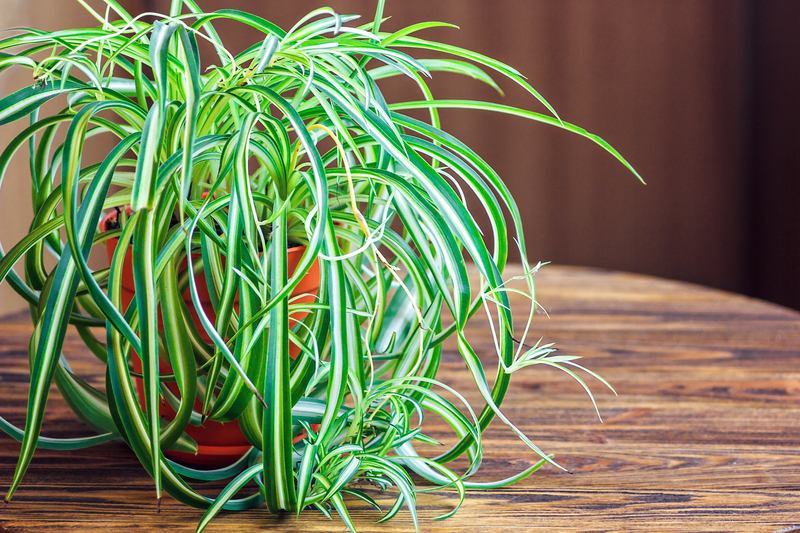
Why Keeping Your Greenery on the Move Matters
For many, plants are more than just decorations--they're living companions that purify the air, boost moods, and add a dose of leafy life to any space. Whether you're a digital nomad, a frequent mover, or simply someone who loves to reposition plants for optimal sunlight, knowing how to transport greenery safely can mean the difference between lush, thriving plants and wilted, stressed foliage.
- Maintain environmental continuity
- Protect your investment in rare or mature plants
- Take your indoor landscaping wherever you go
Let's dive into the three simplest and most effective ways to keep your greenery on the move, ensuring every transition is easy on both you and your plants.
1. Smart Packing and Potting: Prepare Your Plants for the Journey
Assess Plant Health and Trim When Necessary
Before any move, it's essential to evaluate the condition of your houseplants. Inspect leaves, stems, and soil for signs of disease, pests, or stress. Prune away any dead leaves or branches to help your plant focus energy on healthy growth during transit. For trailing or top-heavy plants, consider light trimming to make transport easier and minimize accidental breakage.
Pick the Right Plant Pots
Traditional ceramic or clay pots, while beautiful, are heavy and prone to cracking during a move. Instead, opt for lightweight plastic or nursery pots when you know you'll be relocating your plants. These materials help reduce damage and make your greenery much easier to carry--even in bulk.
- Repot at least one week before moving so plants can adapt
- Label each pot with plant names and care instructions
- Use drainage trays to prevent leaks during travel
Packing Greenery for Safe Transport
To keep your greenery safe while on the move, use the following packing strategies:
- Secure the soil with plastic wrap or paper around the base to prevent spills.
- Stabilize tall plants with bamboo stakes and soft ties.
- Wrap delicate leaves gently with newspaper or breathable cloth for extra protection.
Remember, never leave plants in a sealed car or storage space for extended periods, especially in extreme temperatures. A few hours can mean the difference between a healthy plant and irreversible damage!
Pro Tip: Hydrate Smartly
Don't water right before the move. Well-hydrated (but not soggy) soil a day or two before transit keeps roots healthy and prevents messy leaks.
2. Create a Portable Indoor Garden: Mobility by Design
If you move regularly or simply want maximum flexibility with your green decor, consider transforming your plant collection into a truly portable indoor garden. By designing your greenery setups with mobility in mind, you'll make frequent moves swift and stress-free for you and your plants.
Choose Mobile Planters and Rolling Racks
The easiest way to keep greenery on the move is to invest in pots with wheels, rolling plant caddies, or multi-level racks. These make transferring multiple plants from room to room--or home to home--a breeze. No more heavy lifting or awkward armfuls!
- Rolling racks are especially useful for apartment dwellers or small spaces, allowing you to chase sunlight throughout the day.
- Wheeled planters make outdoor container gardens far more manageable, especially for large statement plants or patio arrangements.
Opt for Modular Plant Setups
A modular approach means using stackable shelves or grouping plants in trays and baskets. Grouping small plants together streamlines the moving process and helps maintain consistent microclimates for optimal growth.
- Cluster similar plants (like succulents or herbs) to simplify care and moving.
- Use shallow trays for propagation or seedlings for easy relocation.
Minimize Sun Shock with Portable Grow Lights
When moving greenery between homes or changing their positions within a space, plants can experience shock from drastically different light levels. By using portable grow lights, you ensure your plants consistently receive the light they need, regardless of where you set up next.
LED grow lights are energy-efficient, compact, and easy to set up in any new location.
3. Keep Stress Low and Roots Happy: After the Move
Your plants have survived the journey--now it's time to help them thrive in their new environment.
Acclimate Gradually to the New Space
Plants dislike sudden changes, especially in light, temperature, and humidity. To ensure your greenery on the move adapts happily, gradually introduce them to their new environment.
- Place plants in similar light conditions as their previous location, if possible.
- Slowly adjust watering routines based on your new climate and humidity levels.
- Monitor for signs of stress, such as leaf drop or wilting, and adjust care accordingly.
Check for Damage and Treat Immediately
After a move, examine your plants for broken stems, dislodged soil, or injured roots. Prune any damaged areas, repot if necessary, and watch for outbreaks of pests or diseases--stress can make plants more susceptible to infestations.
Feed, Water, and Watch
Once settled, give your post-move greenery a gentle boost with diluted fertilizer to help with recovery. Avoid overwatering, especially if you've repotted or compacted the soil during transit.
- Use a balanced, diluted fertilizer for recovery
- Check soil moisture daily for the first two weeks
Bonus Tips for Keeping Greenery Thriving on the Move
- Label every plant for easy identification during unpacking, especially in large collections.
- Plan ahead for climate differences if moving to a new region--some plants may need extra care or different positioning.
- Maintain a plant care journal to track changes and spot trends after each move.
- Be patient--most plants bounce back quickly with a little extra TLC!
Frequently Asked Questions About Moving Plants
How soon can I water my plants after a move?
Give your plants 1-2 days to adjust, then check the soil. If dry, water as usual. Avoid saturating the soil immediately to prevent shock and root rot.
What if my plants start to wilt or drop leaves after moving?
Mild wilting or leaf drop is common after relocation, especially for sensitive species. Keep greenery out of direct sun for a few days and provide gentle care. Most will rebound within a week or two.
Can I move outdoor plants the same way?
Yes, but acclimate them to new light and temperature conditions gradually. Avoid moves during extreme heat or cold. Containerized outdoor plants move best in lightweight pots or rolling planters.
Conclusion: Enjoy Greenery Wherever Life Takes You
Moving doesn't mean leaving your favorite plants behind! By following these simple tips for keeping your greenery on the move--from careful packing and modular setups to gentle acclimation--you'll cultivate a lush, thriving garden wherever you go.
- Prepare plants for transport with smart packing and pruning
- Design a portable indoor garden with mobile pots and racks
- Help plants acclimate for a healthy adjustment post-move
With a little planning and some strategic choices, you can move your greenery confidently--enjoying vibrant, healthy houseplants in every new space. Happy plant moving!

